

Buy, Sell, or Invest in Northern Virginia and Maryland
with Clarity and Confidence
Veteran Owned Real Estate Team.
Helping Military Families Buy and Sell with Confidence.
Real estate decisions are big.
You deserve clarity, strategy, and someone who listens first.

Find Your Perfect Home
Watch the Dream Home Buyer Webinar (Free)
Instant Sale
We buy your
home in 7 days
Seller: Option 1
Upgrade Now
You Repair -
We Fund and Manage
Seller: Option 2
High Tech Selling
Unlock AI, Big-Data, and Technology
Seller: Option 3
Meet
Dan Rochon, Your Guide

"I’ve been helping people buy and sell homes in the DMV since 2007.
If there’s a corner of this market I don’t know, it probably doesn’t exist.
Along the way, I learned a vital truth: great service only happens with great people.
That’s why I only work with top-tier talent—professionals who are as committed to your success as I am.
I’ve taught hundreds of real estate agents how to get licensed and thrive.
I even owned one of the largest brokerages in the region, overseeing thousands of home sales every year.
Today, my team serves the DMV and all of Virginia—from the DMV to Richmond, Hampton Roads, and Roanoke.
So when I say there’s a smarter, calmer, more strategic way to buy or sell a home?
I’m not guessing.
I built the system.
And I’ve built the team to deliver it—flawlessly.
Let’s do this the smart way."
-Dan Rochon
Your Dream Home is Closer Than You Think! Watch the FREE
Dream Home Finder Webinar
and Unlock the Secrets to Finding Your Perfect Home!

Find Your Perfect Home
Watch the Dream Home Buyer Webinar (Free)
Instant Sale
We buy your
home in 7 days
Upgrade Now
You Repair -
We Fund and Manage
High Tech Selling
Unlock AI, Big-Data, and Technology
Meet Dan Rochon, Your Guide
"I’ve been helping people buy and sell homes in the DMV since 2007.
If there’s a corner of this market I don’t know, it probably doesn’t exist.
Along the way, I learned a vital truth: great service only happens with great people.
That’s why I only work with top-tier talent—professionals who are as committed to your success as I am.
I’ve taught hundreds of real estate agents how to get licensed and thrive.
I even owned one of the largest brokerages in the region, overseeing thousands of home sales every year.
So when I say there’s a smarter, calmer, more strategic way to buy or sell a home?
I’m not guessing.
I built the system.
And I’ve built the team to deliver it—flawlessly.
Let’s do this the smart way."
Your Dream Home is Closer Than You Think! Watch the FREE Dream Home Finder Webinar
and Unlock the Secrets to Your Perfect Home!
If you don’t own real estate, you’re paying for someone who does.

Advisors
Trusted guides for real estate investors, buyers, and sellers. Our Advisors don’t just sell homes—they help you make smart, strategic moves that build long-term wealth. Insightful, ethical, and results-driven.

Negotiators
Masters of the deal. Our Negotiators protect your bottom line and your peace of mind—turning pressure into strategy and offers into wins. Skilled, savvy, and relentless when it counts.

Problem Solvers
When things get messy, we get focused. Our Problem Solvers anticipate obstacles, untangle challenges, and keep your deal moving forward—no drama, just solutions. Calm under pressure. Obsessed with results.

Marketers
We don’t just list homes—we launch them. Our Marketers create buzz, attract the right buyers, and turn properties into must-haves. Strategic, data-driven, and built to sell fast (and for more).
Discover the Truth About Dan Rochon and His Expert Real Estate Sales Team – Trusted by Buyers and Sellers Across Virginia and in the DMV!

Want to get rich slow and
stay rich forever?
Buy real estate in Virginia and the DMV.
Quick links






Services
Contact Dan Rochon
Address:
Clifton, VA, 20124
Open Hours:
Hours of Operation: 8am - 8pm EST
Phone Number:
703-346-2776
Email address: [email protected]
Dan Rochon, licensed REALTOR® with eXp Realty and founder of Greetings Virginia Real Estate Sales Network, is a licensed real estate agent (Associate Broker in Virginia and Maryland) serving buyers, sellers, and investors throughout Virginia and Maryland, including but not limited to Alexandria, Arlington, Fairfax County, Falls Church, Springfield, Kingstowne, and the surrounding Washington, D.C. metro (DMV) area as well as Hampton Roads, Roanoke, Lynchburg, and Richmond, VA.
All real estate services provided by Dan Rochon, eXp Realty and Greetings Virginia are conducted in full compliance with the Fair Housing Act, the Virginia Fair Housing Law, and all applicable federal, state, and local real estate regulations. We proudly support Equal Housing Opportunity. If you think it’s okay to discriminate based on race, color, religion, national origin, sex, disability, familial status, sexual orientation, gender identity, or any other protected class, well, this probably isn’t the right place for you. Seriously—don’t be that person.
All property listings, home valuations, and real estate advice offered through this website and affiliated platforms are intended for informational purposes only and should not be considered legal, financial, or investment advice. While we strive to ensure the accuracy of property details, market data, and real estate analytics provided, information is subject to change without notice and may not be guaranteed.
This site may include real estate calculators, deal analyzers, or market projections designed to help investors and homebuyers in Northern Virginia—including Alexandria, Burke, Lorton, Annandale, and Vienna—make more informed decisions. These tools are provided for illustrative purposes only and do not replace personalized advice from a licensed real estate or financial professional.
By using this site, you acknowledge that Dan Rochon, eXp Realty, Greetings Virginia, and their affiliates are not liable for any decisions made based on the information presented. Always consult with a qualified professional before making any real estate transaction or investment.
For questions about real estate listings, buyer or seller representation, or compliance with Virginia real estate laws, please contact Dan Rochon directly at 703-346-2776.
Coming Soon!
(Early 2026)
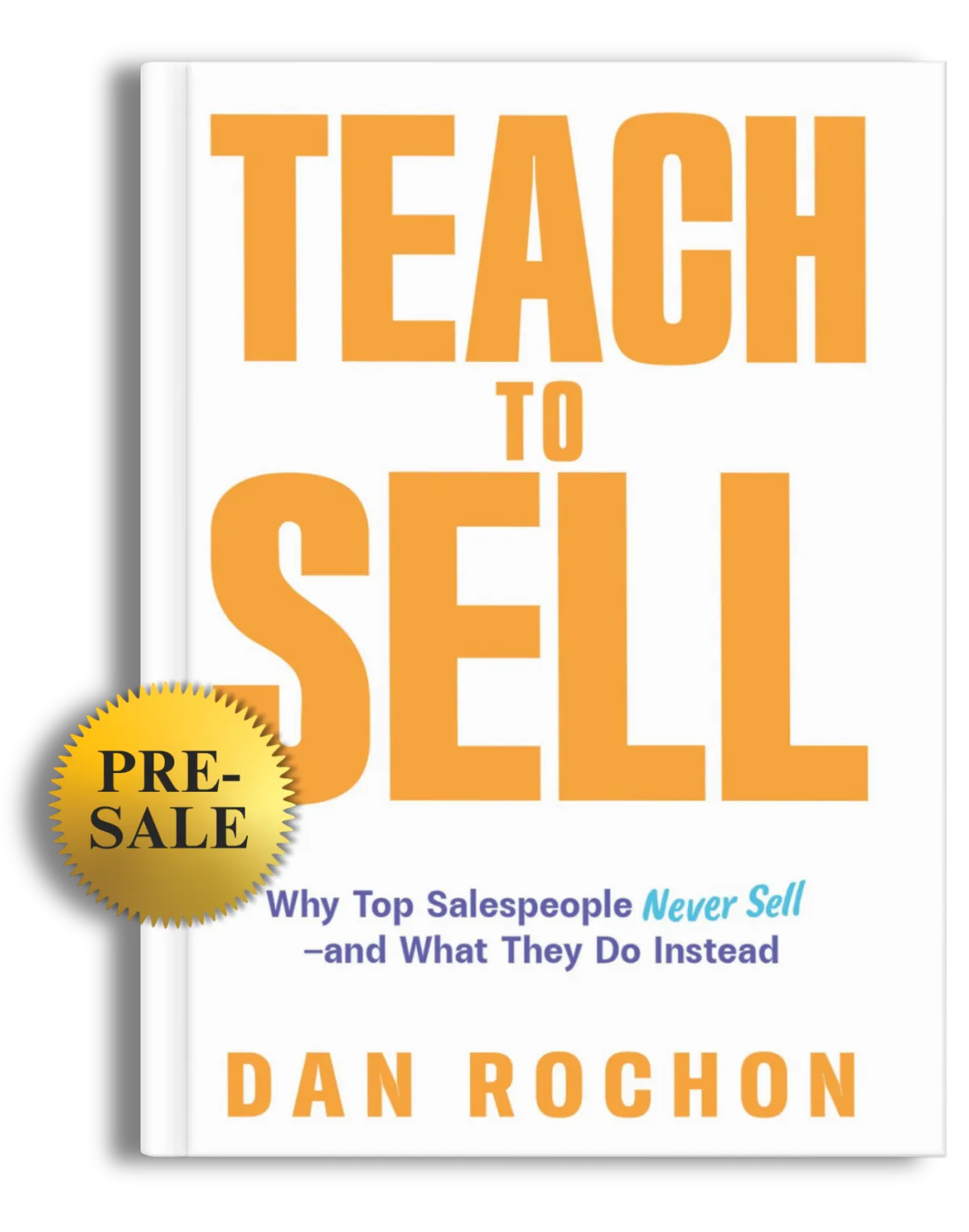

Teach to Sell
By: Dan Rochon
Whether you’re buying your first home, selling the place you’ve raised your kids, or simply trying to create a better future for your family—how you communicate can make all the difference.
Teach to Sell isn’t just for salespeople; it’s for anyone who wants to lead with confidence, influence without pressure, and make smarter decisions in life.
"Influence isn’t just for business—it’s for life. From family to big decisions, Teach to Sell shows you how to lead without pushing" -Dan Rochon
Why preorder Teach to Sell?
Ever feel like your kids don’t listen? Teach to Sell shows how to guide with influence, not arguments—Get Teach to Sell
Nervous about selling your home? The right conversation can add thousands—Teach to Sell will show you how.
From bedtime stories to big negotiations: Teach to Sell teaches everyday influence—order your copy today.
Preorder Teach to Sell now and unlock your exclusive digital swag bag –
tools, templates, and bonuses to level up your influence.
Want to get rich slow and
stay rich forever?
Buy real estate in Virginia and the DMV.
Quick links
Services
Contact Us
Address:
Clifton, VA, 20124
Open Hours:
Hours of Operation: 8am - 8pm EST
Phone Number:
703-346-2776
Email address: [email protected]